The Kebiko F7 folding electric bike emerges as a compelling option for riders seeking versatility, power, and practicality in a single package. Designed to accommodate diverse terrains and riding styles, this e-bike combines robust engineering with user-friendly features that cater to commuters, adventure seekers, and casual riders alike. With its blend of performance-oriented specifications and thoughtful design elements, the F7 positions itself as a strong contender in the competitive electric bicycle market.
Motor and Performance
At the heart of the Kebiko F7 lies a 750W brushless hub motor capable of peaking at 1,000W, enabling riders to reach speeds up to 30 MPH. This power output proves particularly advantageous for conquering steep inclines, with users noting its ability to tackle 30-degree slopes without hesitation. One rider mentioned how the motor’s responsiveness made hill climbs feel “effortless” during off-road adventures, while another praised its seamless transition between pedal assist and throttle modes during city commutes. The motor’s integration with a 7-speed Shimano drivetrain further enhances adaptability, allowing riders to fine-tune their effort across varying terrain. Feedback from users highlights the bike’s ability to maintain consistent power delivery even during extended rides, with multiple reports confirming the advertised top speed in real-world testing scenarios.
Battery and Range
Equipped with a 48V 20Ah removable lithium-ion battery, the F7 delivers an impressive claimed range of 40-80 miles per charge depending on riding mode and terrain. Practical testing by users aligns closely with these estimates, with several noting 35-45 miles of throttle-only operation at maximum speed settings and extended ranges when utilizing pedal assist. The battery’s detachable design receives consistent praise for its convenience, enabling indoor charging and security. Riders appreciate the clear battery status indicators on the LCD display, with one commuter stating it “eliminates range anxiety during longer trips.” Charging times average 6-8 hours for a full recharge, though some users recommend periodic partial charges to maintain optimal battery health.
Frame and Build Quality
Constructed from carbon steel, the F7’s frame strikes a balance between durability and portability. Weighing 70 lbs, it falls within standard parameters for fat-tire e-bikes while maintaining structural integrity for riders up to 330 lbs. The folding mechanism, which reduces the bike to 40.2” x 17.7” x 31.5”, receives mixed but generally positive feedback. While some users note the single-bolt folding joint feels minimalist compared to premium systems, numerous reports confirm its reliability over months of regular use. One rider described the folding process as “surprisingly intuitive” for transporting in compact car trunks, though several emphasize the importance of proper weight distribution when lifting the folded bike.
Tires and Suspension
The 20”x4” fat tires serve as a standout feature, providing exceptional stability across sand, snow, and uneven urban surfaces. Multiple users highlight their confidence in maintaining traction during beach rides and light trail excursions, with one noting how the tire width “absorbs sidewalk cracks like they don’t exist.” Paired with front fork suspension and a padded saddle, the F7 delivers a comfortable ride quality that several testers compare favorably to non-folding e-bikes. However, some riders suggest adjusting tire pressure based on terrain, as the default setup prioritizes comfort over sporty handling.
Braking System
Hydraulic disc brakes on both wheels provide reliable stopping power, though user experiences vary regarding noise and maintenance. While initial setup sometimes requires adjustment to eliminate rotor rub, most riders report satisfactory braking performance even in wet conditions. One user mentioned the brakes “require more hand pressure than premium systems but stop reliably,” while another appreciated the gradual bite that prevents abrupt stops during casual cruising. Regular maintenance appears key to sustaining optimal performance, with several riders recommending periodic pad inspections and rotor cleanings.
Display and Controls
The backlit LCD display provides clear visibility of essential metrics including speed, battery level, and assist mode. Users appreciate the intuitive button layout for switching between five levels of pedal assist (PAS) and the dedicated throttle override. A particularly praised feature is the integrated USB charging port, which multiple commuters have used to keep mobile devices powered during rides. The control system’s responsiveness receives consistent praise, with one rider noting how quickly the motor engages when transitioning from pedal assist to full throttle.
Riding Modes and Customization
Three distinct riding modes cater to different preferences:
- Pure Electric Mode: Enables throttle-only operation up to 30 MPH
- Pedal Assist Mode: Offers five levels of motor support proportional to pedaling effort
- Traditional Cycling Mode: Disengages motor entirely for manual riding
User feedback emphasizes the value of this flexibility, with commuters favoring PAS modes for efficiency and recreational riders enjoying the instant acceleration of throttle control. Several mention using lower PAS levels (1-2) for extended range during leisure rides while reserving higher settings for challenging inclines.
Practical Considerations
Assembly out of the box typically takes 30-60 minutes according to multiple reports, with the included toolkit proving adequate for basic adjustments. The semi-integrated wiring harness receives praise for its clean appearance and reduced snag risk compared to externally routed systems. While the rear rack’s 55 lb capacity proves useful for cargo, some users suggest adding aftermarket padding to prevent item slippage during aggressive riding. Fender effectiveness in wet conditions receives positive marks, though a few riders note occasional adjustment needs after folding/unfolding cycles.
Terrain Performance
The F7 demonstrates remarkable versatility across surfaces:
- Urban Commuting: Stable handling on paved roads with quick acceleration between traffic lights
- Beach/Sand: Fat tires maintain floatation without excessive sinking
- Snow/Ice: Predictable traction in light winter conditions (studded tires recommended for hardpack snow)
- Light Trails: Adequate suspension dampening for gravel paths and packed dirt
Multiple users specifically highlight its performance on mixed-surface commutes requiring transitions between bike lanes, pedestrian paths, and occasional off-road shortcuts. The combination of torque and gearing allows maintaining 15-20 MPH averages even on rolling terrain.
Safety Features
Integrated front and rear lights enhance visibility, with the rear lamp featuring brake-light functionality that users appreciate for urban riding. The reflectivity of sidewalls on the fat tires adds another layer of nighttime safety. While not equipped with turn signals, several riders have successfully added aftermarket solutions using the bike’s existing electrical system.
Long-Term Reliability
Early adopters reporting 500+ miles of use mention no significant degradation in battery performance or mechanical components. The IP54-rated battery casing effectively repels dust and moisture during typical riding conditions. Some users recommend applying frame protectors to high-wear areas and periodically lubricating the folding mechanism’s pivot points.
Comparisons and Positioning
Within its category of folding fat-tire e-bikes, the F7 distinguishes itself through its balanced approach to power and practicality. While not the lightest or most premium option available, it delivers consistent performance that satisfies both recreational and utilitarian needs. The combination of a high-capacity battery and robust motor positions it favorably against competitors emphasizing range over extreme portability.
User Experience Highlights
- “Transforms my 12-mile commute from a chore to a joyride”
- “Handles grocery runs and beach trips with equal ease”
- “Surprisingly capable on forest service roads”
- “Folds compact enough for apartment storage”
- “Battery life actually matches what’s advertised”
These firsthand accounts underscore the bike’s ability to fulfill multiple roles without excelling at any single extreme. The lack of recurring complaints about critical components suggests thoughtful engineering priorities, though some users note opportunities for incremental improvements in brake refinement and folding mechanism ergonomics.
Environmental Considerations
The replaceable battery design extends the bike’s potential lifespan beyond typical e-bike configurations. Several eco-conscious riders appreciate avoiding complete replacements when cells eventually degrade. The energy consumption of approximately 20-30 watt-hours per mile compares favorably to automotive alternatives, particularly when used for partial commutes combined with public transit.
Accessory Compatibility
Standard mounting points allow easy integration of racks, water bottles, and aftermarket suspensions. The handlebar geometry accommodates most smartphone mounts and cycling computers, while the rigid fork permits installation of alternative tire styles for specialized terrain. Users have successfully added child seats, panniers, and even fishing rod holders without compromising structural integrity.
Maintenance Requirements
Routine upkeep aligns with standard bicycle practices:
- Chain lubrication every 100-200 miles
- Brake pad inspection every 500 miles
- Motor/battery connector cleaning every 6 months
- Tire pressure checks before long rides
The availability of generic replacement parts (tubes, brake pads, etc.) from third-party suppliers reduces long-term ownership costs compared to proprietary systems.
Seasonal Performance
Cold weather testing by users in northern climates reveals expected range reductions of 15-25% in sub-freezing temperatures, consistent with lithium-ion battery characteristics. The mechanical disc brakes maintain consistent performance in wet conditions, though riders recommend allowing increased stopping distances during rain. Fat tires provide sufficient winter traction for cleared paths, with several users successfully navigating light snow cover without studs.
Community Reception
Within online cycling communities, the F7 generates discussion around its value proposition rather than cutting-edge innovation. Enthusiasts appreciate its no-nonsense approach to folding e-bike fundamentals, while casual riders value its approachable learning curve. The lack of recurring reports about critical failures suggests respectable quality control for its price segment.
Areas for Improvement
While generally well-received, user feedback identifies potential enhancements:
- Upgrade to hydraulic brakes for reduced maintenance
- Inclusion of torque sensors for smoother pedal assist
- Reinforced folding latch mechanism
- Expanded color options beyond standard finishes
- Integrated rear suspension for technical terrain
These suggestions reflect the bike’s position as a competent all-rounder rather than a specialist machine.
Conclusion
The Kebiko F7 folding electric bike successfully bridges the gap between recreational fun and practical transportation. Its combination of a powerful motor, long-range battery, and terrain versatility makes it particularly appealing for riders seeking a single bike to handle weekday commutes and weekend adventures. While not without minor compromises inherent to its folding design, the overall execution demonstrates thoughtful engineering priorities that align with real-world usage patterns. For those prioritizing adaptability across riding scenarios without sacrificing essential e-bike performance metrics, this model warrants serious consideration.
ASIN: B0F127K1SJ




Puroma Bike Cover for 1 bike, 190T Outdoor Waterproof Bicycle Covers Rain Sun UV Dust Wind Proof with Lock Hole for Mountain Road Electric Bike (Basic Black)
28% Off![[Ultra-Secure] With our uniquely designed bike phone holder mount, whether navigating bumpy roads or high-speed roads, your phone remains securely fastened to the handlebar. Its all-round shape firmly secures each corner of your phone, providing exce...](https://m.media-amazon.com/images/I/41FJGrZQ5ML._SL160_.jpg)
![LISEN Bike Phone Holder, [Super Easy Install] Ultra Stable Motorcycle Phone Mount, Bicycle Handlebar Holder Mount for Adults Kids, Bike Bicycle Ebike Gear Accessories, for iPhone Samsung Google Pixel #1](https://m.media-amazon.com/images/I/41Y-Dc1EMSL._SL100_.jpg)
![LISEN Bike Phone Holder, [Super Easy Install] Ultra Stable Motorcycle Phone Mount, Bicycle Handlebar Holder Mount for Adults Kids, Bike Bicycle Ebike Gear Accessories, for iPhone Samsung Google Pixel #2](https://m.media-amazon.com/images/I/41Uqq41uHYL._SL100_.jpg)
![LISEN Bike Phone Holder, [Super Easy Install] Ultra Stable Motorcycle Phone Mount, Bicycle Handlebar Holder Mount for Adults Kids, Bike Bicycle Ebike Gear Accessories, for iPhone Samsung Google Pixel #3](https://m.media-amazon.com/images/I/41TlXUbNWiL._SL100_.jpg)
![LISEN Bike Phone Holder, [Super Easy Install] Ultra Stable Motorcycle Phone Mount, Bicycle Handlebar Holder Mount for Adults Kids, Bike Bicycle Ebike Gear Accessories, for iPhone Samsung Google Pixel #4](https://m.media-amazon.com/images/I/41T5Hl0SJyL._SL100_.jpg)
![LISEN Bike Phone Holder, [Super Easy Install] Ultra Stable Motorcycle Phone Mount, Bicycle Handlebar Holder Mount for Adults Kids, Bike Bicycle Ebike Gear Accessories, for iPhone Samsung Google Pixel #5](https://m.media-amazon.com/images/I/41HVg2G5E7L._SL100_.jpg)
LISEN Bike Phone Holder, [Super Easy Install] Ultra Stable Motorcycle Phone Mount, Bicycle Handlebar Holder Mount for Adults Kids, Bike Bicycle Ebike Gear Accessories, for iPhone Samsung Google Pixel
25% Off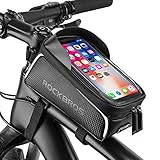


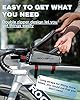
ROCKBROS Bike/Bicycle Phone Front Frame Bag, Waterproof, Tube Bag,Cycling Pouch, Bike Accessories for Men Compatible Phone Under 7”
10% Off


Combination Bike Cable Lock - 4 Digit, 32 inch Long Coiled Security Resettable Cable Lock, Anti-Theft Accessories for Mountain Bike, Road Bike, Electric Bicycle, Scooter
$6.99 (as of July 6, 2025 16:31 GMT +00:00 - More infoProduct prices and availability are accurate as of the date/time indicated and are subject to change. Any price and availability information displayed on [relevant Amazon Site(s), as applicable] at the time of purchase will apply to the purchase of this product.)
![ANCHEER Electric Bike for Adults with 500W Motor[Peak 750W], 48V 499Wh Ebike, Up to 55 Miles, 3H Fast Charge, 26'' Gladiator Electric Mountain Bike, LCD Display, 21Speed, 22MPH Adults Electric Bicycle #1](https://m.media-amazon.com/images/I/41-wuGcBT0L._SL100_.jpg)
![ANCHEER Electric Bike for Adults with 500W Motor[Peak 750W], 48V 499Wh Ebike, Up to 55 Miles, 3H Fast Charge, 26'' Gladiator Electric Mountain Bike, LCD Display, 21Speed, 22MPH Adults Electric Bicycle #2](https://m.media-amazon.com/images/I/51q26r+Vq2L._SL100_.jpg)
![ANCHEER Electric Bike for Adults with 500W Motor[Peak 750W], 48V 499Wh Ebike, Up to 55 Miles, 3H Fast Charge, 26'' Gladiator Electric Mountain Bike, LCD Display, 21Speed, 22MPH Adults Electric Bicycle #3](https://m.media-amazon.com/images/I/41hqJRkbHqL._SL100_.jpg)
![ANCHEER Electric Bike for Adults with 500W Motor[Peak 750W], 48V 499Wh Ebike, Up to 55 Miles, 3H Fast Charge, 26'' Gladiator Electric Mountain Bike, LCD Display, 21Speed, 22MPH Adults Electric Bicycle #4](https://m.media-amazon.com/images/I/51ZVUhFoOWL._SL100_.jpg)
![ANCHEER Electric Bike for Adults with 500W Motor[Peak 750W], 48V 499Wh Ebike, Up to 55 Miles, 3H Fast Charge, 26'' Gladiator Electric Mountain Bike, LCD Display, 21Speed, 22MPH Adults Electric Bicycle #5](https://m.media-amazon.com/images/I/51sksNRqQ4L._SL100_.jpg)
ANCHEER Electric Bike for Adults with 500W Motor[Peak 750W], 48V 499Wh Ebike, Up to 55 Miles, 3H Fast Charge, 26'' Gladiator Electric Mountain Bike, LCD Display, 21Speed, 22MPH Adults Electric Bicycle
$239.99 (as of July 6, 2025 16:24 GMT +00:00 - More infoProduct prices and availability are accurate as of the date/time indicated and are subject to change. Any price and availability information displayed on [relevant Amazon Site(s), as applicable] at the time of purchase will apply to the purchase of this product.)


Gotrax NEPHELE 16" Folding Electric Bike, Max Range 28Miles(Pedal-assist) &15.5Mph Power by 350W Motor, Front Suspension&Adjustable Seat and Handlebar, Commuter Electric Bicycle for Adults/Teens Black
$550.00 (as of July 6, 2025 16:04 GMT +00:00 - More infoProduct prices and availability are accurate as of the date/time indicated and are subject to change. Any price and availability information displayed on [relevant Amazon Site(s), as applicable] at the time of purchase will apply to the purchase of this product.)




Loxan 2 Pack 14x2.125 Bike Inner Tubes Compatible with Jetson and Gotrax Electric Scooters, 14 x 2.125 inch Replacement Bicycle Tubes with Angled Valve Stem for Electric Bike, E-Bike and 14-Inch Bike
21% Off


Lamicall Bike Phone Holder, Motorcycle Mount - Motorcycle Phone Holder, Handlebar Cell Phone Clamp, Scooter Phone Clip for iPhone 16 Pro Max/Plus, 15 Pro Max, S10, S20, More 4.7" to 6.8" Smartphones
16% Off





MULTIJOY Electric Bike for Adults,48V Built-in Invisible Removable Battery,500W Motor(Peak 700W) Electric Mountain Bike,26" Tires Front Fork Suspension with Fenders,UL Certified 21-Speed
10% Off