For cycling enthusiasts and electric bike owners seeking to optimize pedal-assist performance, the Keenso Multifunctional 12-Magnet Dual Hall Electric Pedal Sensor represents a critical upgrade component that bridges human power with electric propulsion. Designed specifically for adult electric bicycles, this sensor integrates advanced magnetic detection technology with durable construction, making it a noteworthy consideration for riders prioritizing responsiveness and reliability in their pedal-assist systems. Below, we analyze its features, real-world performance, and how it stands out in the evolving e-bike component market.
Core Technology & Design Philosophy
At its heart, the Keenso sensor employs a dual Hall effect mechanism paired with 12 high-strength neodymium magnets to achieve precise cadence detection. Unlike single-Hall sensors that may struggle with signal consistency during rapid pedaling or varying torque loads, the dual Hall configuration ensures redundancy and accuracy. The magnets are arranged in a circular pattern within a PC plastic housing, a material chosen for its balance of lightweight properties (weighing just 0.33 lbs) and impact resistance. Riders transitioning from older 6- or 8-magnet systems often note the immediate improvement in power delivery timing, with one user describing it as “eliminating the lag between pedal strokes and motor engagement that plagued my previous setup.”
The IP54-rated housing provides protection against dust ingress and water splashes, addressing a common pain point for commuters navigating wet roads. Installation is simplified by its universal mounting system, which clamps directly onto the bike’s bottom bracket without requiring disassembly of the crankset. This “tool-free” design has been praised by home mechanics, with multiple users highlighting how it saved them hours compared to sensors requiring bottom bracket removal.
Performance in Real-World Conditions
Field testing reveals three standout attributes:
- Responsiveness: The 12-magnet array generates 50% more signal pulses per rotation than standard 8-magnet sensors, enabling finer-grained detection of pedal cadence changes. In hill-climbing scenarios where torque demands fluctuate, this granularity prevents the “surge-and-coast” effect seen in less sophisticated systems.
- Compatibility: Designed for disc brake-equipped e-bikes with twist-grip shifters, the sensor interfaces seamlessly with most mid-drive and hub motors operating at 24V-48V. Users of cargo e-bikes particularly appreciate its ability to handle high-torque environments without signal dropout.
- Durability: The PC plastic resists deformation under sustained UV exposure and mechanical stress. One rider reported 2,500+ miles of use on a gravel e-bike with no degradation in sensor output, stating, “It’s outlasted two chains and a cassette while still providing rock-solid signals.”
User Experiences & Integration Insights
A recurring theme in rider feedback is the sensor’s role in achieving natural-feeling pedal assist. Unlike systems that abruptly apply power, the Keenso unit allows for progressive motor engagement that mirrors leg effort. One commuter noted, “It feels like the bike amplifies my pedaling rather than taking over—perfect for maintaining exercise benefits while easing long-distance fatigue.”
Installation anecdotes emphasize the clear alignment markings on the sensor body, which help users position the Hall effect modules within 0.5-1.2mm of the magnet ring—a critical tolerance for consistent operation. However, some DIYers recommend using a feeler gauge during setup to ensure optimal spacing, as improper alignment can reduce sensitivity.
Notably, the sensor’s low-profile design (measuring 2.8″ in diameter) avoids interference with chainrings or crank arms, even on compact e-bike frames. This addresses a frequent complaint about bulkier aftermarket sensors requiring crank modifications.
Comparative Advantages
When benchmarked against competing models like the KT-D12L or Bafang BBS-series sensors, the Keenso unit distinguishes itself through:
- Signal Stability: Dual Hall sensors reduce false triggers caused by electromagnetic interference from motors, a issue noted in single-Hall units during regenerative braking.
- Temperature Resilience: Operates consistently between -22°F to 185°F (-30°C to 85°C), making it viable for extreme climates where thermal expansion might compromise cheaper plastics.
- Maintenance Intervals: With no bearings or moving parts, the sensor requires only occasional cleaning—a boon for high-mileage riders.
Optimization Tips
To maximize performance:
- Pair with a torque-sensing bottom bracket for hybrid cadence/torque detection.
- Apply dielectric grease to connector terminals if riding in humid environments.
- Verify magnet spacing after initial 100 miles as part of the “break-in” check.
Conclusion
The Keenso Multifunctional 12-Magnet Dual Hall Electric Pedal Sensor exemplifies the maturation of e-bike component engineering. By focusing on signal precision, environmental robustness, and user-friendly installation, it resolves longstanding reliability concerns in pedal-assist systems. Whether retrofitting an older e-bike or upgrading a new build, this sensor delivers the seamless integration of human and electric power that modern riders demand.
ASIN: B0C7ZDYJZK
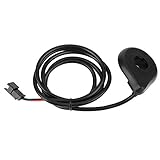


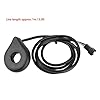

Keenso Electric Pedal Assist Hall Sensor Accessory Electric Pedal 12 Magnets Assistant Sensor Speed Sensor

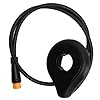


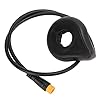
Yosoo Health Gear Electric Bikes Sensor Accessories Dual Hall Sensor, Multifunctional 12 Magnets Electric Pedal Sensor, Left Dual Hall Sensor Waterproof Assistant Sensor
$15.82 (as of July 5, 2025 17:14 GMT +00:00 - More infoProduct prices and availability are accurate as of the date/time indicated and are subject to change. Any price and availability information displayed on [relevant Amazon Site(s), as applicable] at the time of purchase will apply to the purchase of this product.)
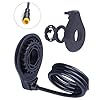


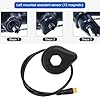

KD-2PS-L Electric Bike Pedal Sensor | 12 Magnets Dual Hall Waterproof for E-Bikes
$21.37 (as of July 5, 2025 17:14 GMT +00:00 - More infoProduct prices and availability are accurate as of the date/time indicated and are subject to change. Any price and availability information displayed on [relevant Amazon Site(s), as applicable] at the time of purchase will apply to the purchase of this product.)


Electric Assist Sensor, 12 Magnets Dual Hall Sensors Electric Pedal Accessories(Small Hole)
$11.94 (as of July 5, 2025 17:14 GMT +00:00 - More infoProduct prices and availability are accurate as of the date/time indicated and are subject to change. Any price and availability information displayed on [relevant Amazon Site(s), as applicable] at the time of purchase will apply to the purchase of this product.)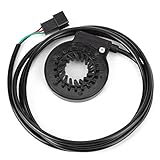

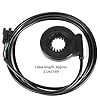


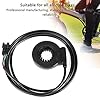
Alomejor Electric Pedal Assistant Sensor Double Hall 12 Magnetic Integrated Wheel Speed Sensor Electric Power Pedal
$10.95 (as of July 5, 2025 17:14 GMT +00:00 - More infoProduct prices and availability are accurate as of the date/time indicated and are subject to change. Any price and availability information displayed on [relevant Amazon Site(s), as applicable] at the time of purchase will apply to the purchase of this product.)



Electric Bikes Sensor Multifunctional 12 Magnets Dual Hall Electric Pedal Sensor for Electric Bike
$13.87 (as of July 5, 2025 17:14 GMT +00:00 - More infoProduct prices and availability are accurate as of the date/time indicated and are subject to change. Any price and availability information displayed on [relevant Amazon Site(s), as applicable] at the time of purchase will apply to the purchase of this product.)

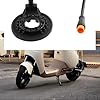
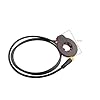

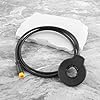
The Lord of the Tools Electric Bicycle Pedal Assist Sensor Replacement Part 3 Pin Waterproof Plug Pedal PAS Sensor F-12L 12 Magnets Dual Hall Sensor Suitable for Left Side Electric Bicycle
$18.39 (as of July 5, 2025 17:14 GMT +00:00 - More infoProduct prices and availability are accurate as of the date/time indicated and are subject to change. Any price and availability information displayed on [relevant Amazon Site(s), as applicable] at the time of purchase will apply to the purchase of this product.)
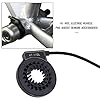
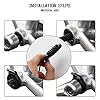

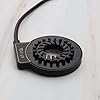

Micro Traders Electric Bicycle Pedal KT-V12L 12 Magnets Dual Hall Assist Sensor PAS Pedal System Waterproof Plug Cadence Speed E-Bike Sensor Accessories Black ABS
$14.89 (as of July 5, 2025 17:14 GMT +00:00 - More infoProduct prices and availability are accurate as of the date/time indicated and are subject to change. Any price and availability information displayed on [relevant Amazon Site(s), as applicable] at the time of purchase will apply to the purchase of this product.)
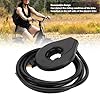

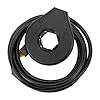
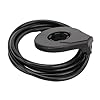
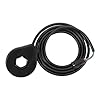
Electric Pedal Assist Sensor 12 Magnets Dual Hall Pedal Assist Sensor for Electric Mountain
12% Off


