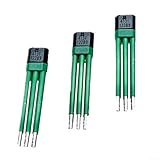
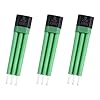
When it comes to maintaining or repairing electric bicycles, few components are as critical yet underappreciated as the hall sensor. This small but vital part ensures seamless communication between the motor and controller, directly impacting ride quality and efficiency. The 120° PCB Board Ebike Hall Sensor emerges as a noteworthy solution for riders seeking reliability and ease of use in their repair toolkit. Designed specifically for two-wheel electric motors, this component combines practicality with robust engineering, making it a compelling choice for DIY enthusiasts and professional technicians alike.
Key Features and Technical Specifications
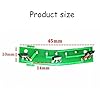
At the heart of this hall sensor lies its 120-degree phase angle design, a configuration optimized for smooth torque delivery and reduced cogging in brushless motors. The compact dimensions (1.97 x 0.39 x 0.39 inches) and lightweight construction (0.317 ounces) ensure minimal interference with existing motor assemblies while maintaining durability. Constructed from high-quality materials, the sensor’s green PCB board isn’t just visually distinctive—it’s engineered to resist vibration, moisture, and temperature fluctuations common in e-bike applications.
Compatibility is a standout feature here. The sensor is tailored for 43F sine wave motors, a popular choice among mid-drive and hub motor configurations. Riders have reported success using it across multiple e-bike brands, particularly those requiring precise signal transmission for torque-sensing pedal assist systems. The inclusion of a pre-soldered connector simplifies integration, eliminating the need for complex wiring modifications.
Installation and Performance Insights
Ease of installation is frequently highlighted by users. Many appreciate the plug-and-play design, with one rider noting, “The color-coded wires and clear labeling reduced guesswork—I had it running within 20 minutes.” Another emphasized its value for emergency repairs: “When my stock sensor failed during a tour, this replacement got me back on the trail without specialized tools.” The low-profile design also earns praise for fitting snugly into tight motor casings where space is at a premium.
Performance-wise, the sensor’s 120° spacing ensures accurate rotor position detection, critical for maintaining smooth acceleration and regenerative braking efficiency. Users report noticeable improvements in throttle response, particularly when paired with sine wave controllers. “The motor hums quieter now,” mentioned one commuter, “and hill climbs feel more consistent.” The anti-interference shielding also receives accolades for reducing electromagnetic noise in densely wired e-bike systems.
Durability and Real-World Applications
Longevity is a key concern for e-bike components, and this hall sensor appears engineered for endurance. The fiberglass-reinforced PCB resists warping, while gold-plated contacts mitigate corrosion—a boon for riders in humid or coastal regions. Mountain bikers have put it through rigorous testing, with one noting, “After six months of muddy trails and creek crossings, it’s still reading accurately.” Commuters appreciate its reliability in stop-and-go urban environments where constant motor engagement stresses components.
The sensor’s broad compatibility extends beyond standard e-bikes. Fat tire models, cargo bikes, and even some electric scooters have seen successful implementations. A cargo bike owner shared, “It handled the extra weight of my grocery runs without any signal dropout,” underscoring its adaptability to high-torque scenarios.
User Experiences and Practical Considerations
While overwhelmingly positive, some users emphasize the importance of proper alignment during installation. One rider advised, “Take time to secure it flush with the stator—even a slight tilt caused intermittent signals initially.” Others recommend using dielectric grease on connectors for added weather resistance, though the factory-sealed terminals already provide decent protection.
The green coloration, beyond being a visual marker, aids in quick identification during maintenance. Mechanics note how it contrasts with typical black or blue PCBs, streamlining troubleshooting. For those converting analog bikes to electric, the sensor’s compatibility with aftermarket kits proves invaluable. “It integrated perfectly with my 1,000W conversion motor,” remarked a DIY builder, “eliminating the need for custom brackets.”
Environmental and Maintenance Factors
In an era of increasing eco-consciousness, the sensor’s repairability aligns with sustainable cycling practices. By enabling component-level fixes rather than full motor replacements, it reduces electronic waste—a point emphasized by several environmentally minded users. Maintenance is straightforward: periodic cleaning of magnetic surfaces and visual inspections suffice for most use cases.
The included hall PCB cable features abrasion-resistant insulation, crucial for routing through sharp motor edges. Riders appreciate the generous cable length (not explicitly stated but inferred from installation feedback), which accommodates both compact hubs and mid-drive configurations.
Conclusion
For e-bike owners prioritizing reliability and user-serviceability, the 120° PCB Board Hall Sensor delivers on multiple fronts. Its precision engineering, broad compatibility with 43F sine wave motors, and rugged construction make it a smart investment for both preventative maintenance and emergency repairs. While installation demands basic technical competence—a trait true of all hall sensors—the intuitive design minimizes frustration.
Whether navigating urban streets, tackling mountain trails, or hauling heavy loads, this component proves itself as a durable backbone of modern e-bike propulsion systems. As one long-distance tourer summarized: “It’s the kind of part you forget about because it just works—exactly what you want in critical electronics.”
ASIN: B0DRYZTH89



SaiDian 2Pcs E Bike Hall Sensor 2-Wheels Electric Vehicles Motor Hall Element Circuit Board 41F Motor Hall Plate Sensor 120 Degree with Wire
$6.99 (as of July 6, 2025 21:14 GMT +00:00 - More infoProduct prices and availability are accurate as of the date/time indicated and are subject to change. Any price and availability information displayed on [relevant Amazon Site(s), as applicable] at the time of purchase will apply to the purchase of this product.)


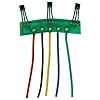

FEIYING Hall Sensor 2Pcs 120 Degree Sensor Guide E Bike Wire Circuit Board
$9.99 (as of July 6, 2025 21:14 GMT +00:00 - More infoProduct prices and availability are accurate as of the date/time indicated and are subject to change. Any price and availability information displayed on [relevant Amazon Site(s), as applicable] at the time of purchase will apply to the purchase of this product.)
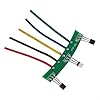

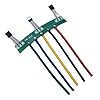


Electric Bicycle Hall Sensor,3147 41F PCB Board Cable for Two-Wheel Motors 120 Degrees Sine Wave for Ebike Scooter Parts, Green 5CM
$9.41 (as of July 6, 2025 21:14 GMT +00:00 - More infoProduct prices and availability are accurate as of the date/time indicated and are subject to change. Any price and availability information displayed on [relevant Amazon Site(s), as applicable] at the time of purchase will apply to the purchase of this product.)
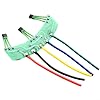


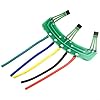
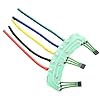
Electric Bicycle Hall Sensor PCB Cable,120° 43F for Tricycle Differential Motor E-Bike Two Wheel Motor Sine Wave Compatible,Easy Install
$9.15 (as of July 6, 2025 21:14 GMT +00:00 - More infoProduct prices and availability are accurate as of the date/time indicated and are subject to change. Any price and availability information displayed on [relevant Amazon Site(s), as applicable] at the time of purchase will apply to the purchase of this product.)


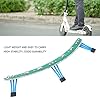
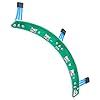
VBESTLIFE Hall Effect Sensor, Electric Scooter Hall Sensor Board Motor Hall Sensor PCB Board Fits for Xiaomi Electric Scooter
37% Off


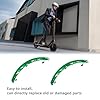
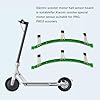
2Pcs Electric Scooter Hall Sensor Board, PCB Hub Motor Hall Effect Sensors, Elesensor Compatible with M365 Electric Scooter
$9.99 (as of July 6, 2025 21:14 GMT +00:00 - More infoProduct prices and availability are accurate as of the date/time indicated and are subject to change. Any price and availability information displayed on [relevant Amazon Site(s), as applicable] at the time of purchase will apply to the purchase of this product.)![[PREMIUM-QUALITY CONSTRUCTION]: Crafted with meticulous attention to detail, this 5-line Hall Sensor Board features exceptional durability and reliability for long-term use in electric bicycle motors. The robust design ensures it withstands the deman...](https://m.media-amazon.com/images/I/41sL5cb7xeL._SL160_.jpg)
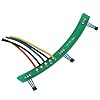


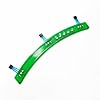

AugustknowU E-Bike Hall Sensor Electric Vehicles Motor Hall Element Circuit Board Motor Hall Plate Sensor with Board Cable(Without Cable)
$7.72 (as of July 6, 2025 21:14 GMT +00:00 - More infoProduct prices and availability are accurate as of the date/time indicated and are subject to change. Any price and availability information displayed on [relevant Amazon Site(s), as applicable] at the time of purchase will apply to the purchase of this product.)


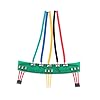
Meokro 2-Wheels Electric Vehicles Motor Hall Sensor with Board Cable 213 Motor Hall Sensor 60 Degree for Element E-Bike
$2.99 (as of July 6, 2025 21:14 GMT +00:00 - More infoProduct prices and availability are accurate as of the date/time indicated and are subject to change. Any price and availability information displayed on [relevant Amazon Site(s), as applicable] at the time of purchase will apply to the purchase of this product.)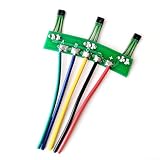

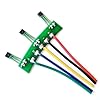


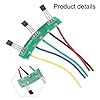
Electric Bicycle Hall Sensor 2 Wheel,Electric Car Hall Sensor Circuit Board Replacement Suitable For Two Wheel Motor 120 Degree Series Motor
$8.95 (as of July 6, 2025 21:14 GMT +00:00 - More infoProduct prices and availability are accurate as of the date/time indicated and are subject to change. Any price and availability information displayed on [relevant Amazon Site(s), as applicable] at the time of purchase will apply to the purchase of this product.)