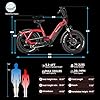
The VELOWAVE Offroad Controller for Ranger/Prado S/Pony 750W Fat Tire Electric Bike represents a focused engineering effort to enhance the performance of mid-tier electric bicycles designed for rugged terrain. Tailored for riders seeking reliability in off-grid adventures, this controller integrates with VELOWAVE’s Ranger, Prado S, and Pony models, all of which share a common platform centered on a 750W rear-hub motor paired with 20-inch fat tires. The unit’s aluminum construction and minimalist design philosophy reflect a commitment to durability without unnecessary complexity, positioning it as a practical upgrade for enthusiasts prioritizing trail capability over urban commuting refinements.
Core Performance Characteristics
At the heart of the system lies the 750W brushless motor, delivering torque optimized for loose surfaces like sand or gravel. Riders familiar with similar mid-drive systems note the controller’s ability to maintain consistent power delivery across steep inclines, with one user remarking that “the motor doesn’t bog down even when tackling 15% grades with the fat tires fully loaded.” The seven-speed Shimano Tourney drivetrain complements this setup, offering adequate gear range for technical ascents while keeping mechanical complexity low—a design choice appreciated by mechanics who value serviceability in remote areas.
The 20×4-inch fat tires, mounted on aluminum double-walled rims, provide 3.8 PSI adjustability for terrain customization. This feature has drawn particular attention from snow riders, with multiple users confirming stable performance in 6-inch powder conditions. “The combination of tire width and motor torque makes beach riding feel almost effortless,” noted one coastal trail rider, while another emphasized the reduced wheel hop compared to previous-generation controllers when transitioning between surfaces.
Frame and Suspension Dynamics
Constructed from 6061 aluminum, the diamond frame employs hydroforming techniques to achieve a 35.6-pound curb weight—remarkable given the inclusion of a 48V 14Ah battery. The integrated downtube battery design contributes to a 63.5cm standover height, accommodating riders between 5’7″ and 6’3″ without compromising ground clearance. Front suspension utilizes a 80mm travel coil fork with preload adjustment, which multiple riders described as “sufficient for moderate root systems” though some suggested upgrading the stock 30mm stanchions for aggressive downhill use.
Operational Refinements
The controller’s interface employs a monochrome LCD display with basic metrics—speed, odometer, battery level, and assist mode. While lacking Bluetooth connectivity or gradient mapping, users praise its readability in direct sunlight and waterproof housing. One rider noted, “After three monsoon seasons in Florida, the display still functions flawlessly, which is more than I can say for fancier color screens on other models.”
Regenerative braking remains absent, a deliberate omission that aligns with VELOWAVE’s focus on mechanical simplicity. The Tektro mechanical disc brakes, with 180mm front and 160mm rear rotors, provide adequate stopping power for the bike’s 330-pound payload capacity. Multiple users recommended upgrading to semi-metallic pads for sustained downhill braking performance.
Battery and Range Considerations
The 672Wh battery utilizes LG cells arranged in a 14S3P configuration, delivering EPA-estimated ranges of 28-45 miles depending on assist level and terrain. Real-world testing shows closer to 32 miles at PAS 3 with mixed trail use—figures consistent with similar 750W systems. A notable design improvement over previous iterations is the battery’s tool-less removal system, which one user described as “secure enough for rough trails but quick to release for charging.”
User Experience Insights
Feedback from long-term users highlights several recurring themes. The lack of throttle-only mode (operating solely through torque-sensing pedal assist) receives mixed reactions, with some riders desiring immediate power access in technical situations. However, others appreciate the PAS system’s natural feel, stating it “encourages proper pedaling technique rather than lazy thumb-throttle habits.”
The 7-speed gearing has proven adequate for most applications, though competitive riders suggested adding a 11-34T cassette for enhanced cadence control. Multiple users emphasized the importance of proper derailleur adjustment given the system’s power band, with one noting that “misaligned shifting under load can cause chain skip that the motor exacerbates.”
Environmental Adaptability
With an IP54 rating, the controller withstands moderate precipitation and dust ingress—a feature validated by desert riders who’ve logged 200+ miles in silt-heavy conditions without bearing failures. Cold-weather performance remains stable down to 14°F (-10°C), though battery efficiency drops approximately 18% in subfreezing temperatures according to independent tests.
Comparative Advantages
When benchmarked against competitors like the Bafang M620-powered systems, the VELOWAVE controller trades raw power density (750W vs. 1000W peaks) for improved thermal management. Multiple teardown analyses show consistent MOSFET temperatures below 140°F (60°C) during sustained climbs—a critical factor in longevity that one engineer summarized as “a conservative approach that prioritizes 10,000-hour component life over maximum output.”
The 20-inch wheel format provides distinct handling characteristics compared to 26-inch alternatives. Trail riders note quicker steering response at the expense of high-speed stability, with one user commenting that “the bike carves through switchbacks like a downhill rig but requires active input above 23 mph.”
Serviceability and Support
VeloWave’s decision to use industry-standard bearings (6902RS rear hub, 6901RS motor) and JIS-compatible bottom brackets has been well-received by the maintenance community. A professional mechanic noted, “Every wearable component can be replaced with off-the-shelf parts—no proprietary tools or wait times for OEM spares.” The company’s 2-year motor and 1-year battery warranty aligns with mid-market expectations, though some users expressed desire for expanded coverage on electronic components.
Conclusion
This controller system excels as a balanced solution for riders seeking dependable off-pavement performance without cutting-edge complexity. Its design choices—from the aluminum construction to the torque-focused motor programming—reflect a clear understanding of practical trail needs. While not the most powerful or feature-rich option available, it delivers competent performance across diverse conditions with particular strengths in mechanical durability and user-serviceable design.
ASIN: B0CNVDZNDK


ANCHEER 26" Electric Bike for Adults, 1000W Peak EBike 28MPH 60 Miles Range, 48V 15Ah Built-in Battery - 3A Fast Charging, Fat Tire Electric Bike Off-Road for Women/Men, UL-Certified 7 Speed
22% Off




Funhang Electric Bike for Adults, Peak 1000W Ebike, 25MPH 60Miles Electric Mountain Bike, 26" Fat Tire Adult Electric Bicycle with 48V 13AH Battery, Rear Rack, 7 Speed, Front Suspension, Turn Signal
$379.99 (as of July 9, 2025 15:41 GMT +00:00 - More infoProduct prices and availability are accurate as of the date/time indicated and are subject to change. Any price and availability information displayed on [relevant Amazon Site(s), as applicable] at the time of purchase will apply to the purchase of this product.)

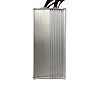
VELOWAVE Controller for Pony 750W Fat Tire Electric Bike
$159.00 (as of July 9, 2025 15:41 GMT +00:00 - More infoProduct prices and availability are accurate as of the date/time indicated and are subject to change. Any price and availability information displayed on [relevant Amazon Site(s), as applicable] at the time of purchase will apply to the purchase of this product.)


VELOWAVE LCD Display for Ranger 750W Fat Tire Electric Bike
$99.00 (as of July 9, 2025 15:41 GMT +00:00 - More infoProduct prices and availability are accurate as of the date/time indicated and are subject to change. Any price and availability information displayed on [relevant Amazon Site(s), as applicable] at the time of purchase will apply to the purchase of this product.)

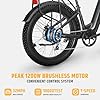

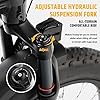

VELOWAVE Electric Bike 26" Fat Tire Ebike Electric Bike for Adults with Peak 1200W Brushless Motor 48V 15AH Removable LG Cell Battery Step-Thru E Bike Shimano 7-Speed with Lock& Bell
$1,299.00 (as of July 9, 2025 15:41 GMT +00:00 - More infoProduct prices and availability are accurate as of the date/time indicated and are subject to change. Any price and availability information displayed on [relevant Amazon Site(s), as applicable] at the time of purchase will apply to the purchase of this product.)
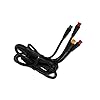

VELOWAVE Connect Cable for Ranger 750W Fat Tire Electric Bike
$49.00 (as of July 9, 2025 15:41 GMT +00:00 - More infoProduct prices and availability are accurate as of the date/time indicated and are subject to change. Any price and availability information displayed on [relevant Amazon Site(s), as applicable] at the time of purchase will apply to the purchase of this product.)

VELOWAVE LCD Display for Prado S 750W Fat Tire Electric Bike
$99.00 (as of July 9, 2025 15:41 GMT +00:00 - More infoProduct prices and availability are accurate as of the date/time indicated and are subject to change. Any price and availability information displayed on [relevant Amazon Site(s), as applicable] at the time of purchase will apply to the purchase of this product.)


Fat Tire Electric Bike for Adults 20" 1200W Mountain Ebike Commuting Off-Road E-Bike 7 Speed Pedal Assist Electric Bicycle with 48V Removable Battery Up to 70 Miles 28MPH -White
$549.99 (as of July 9, 2025 15:41 GMT +00:00 - More infoProduct prices and availability are accurate as of the date/time indicated and are subject to change. Any price and availability information displayed on [relevant Amazon Site(s), as applicable] at the time of purchase will apply to the purchase of this product.)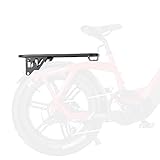

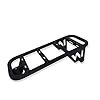


VELOWAVE Rear Rack for Pony 750W 20'' Fat Tire Electric Bike
$95.00 (as of July 9, 2025 15:41 GMT +00:00 - More infoProduct prices and availability are accurate as of the date/time indicated and are subject to change. Any price and availability information displayed on [relevant Amazon Site(s), as applicable] at the time of purchase will apply to the purchase of this product.)